The Retention Graph as a Diagnostic Radiograph
In YouTube Analytics, the audience retention graph is the most brutally objective metric available to creators. Unlike view counts or subscriber metrics, which can be distorted by external promotions, the retention graph plots second-by-second audience presence across the video timeline.
Every slope, dip, cliff, and flat plateau represents a concrete editorial decision. When a video suffers from systemic underperformance, the root cause is rarely an algorithmic conspiracy; it is an editorial failure point visible directly on the curve.
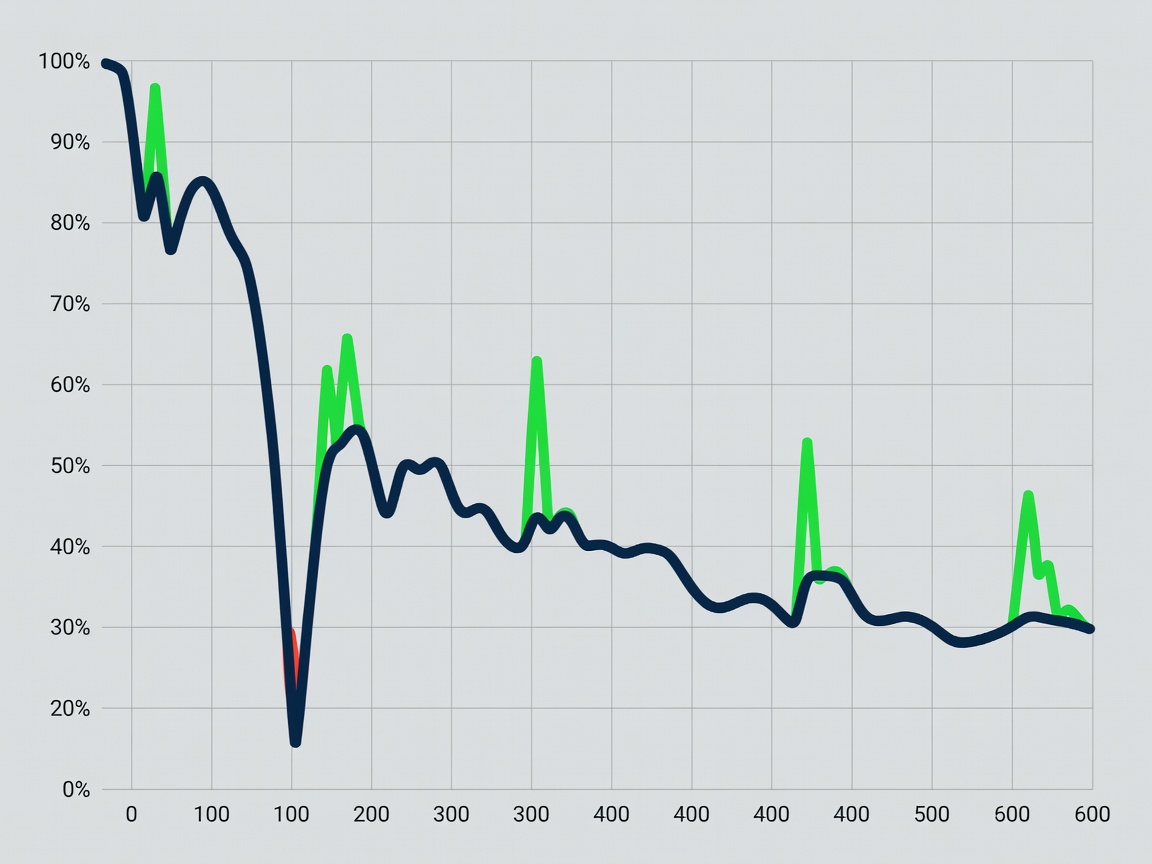
Anatomy of the 30-Second Drop-off
On average across all video genres, 20% to 35% of viewers abandon a video within the first 30 seconds. While some degree of churn is natural (accidental clicks or immediate mismatch), losing more than 30% indicates severe packaging or scripting failure.
The causes of early cliffing fall into three distinct categories:
- Contextual Betrayal: The viewer clicked because of a specific promise in the thumbnail, but the host spends the first 45 seconds discussing unrelated channel announcements or generic greetings ("Hey guys, welcome back to the channel...").
- Overlong Motion Graphics: Animated intro bumpers lasting 5–10 seconds trigger immediate swipe-away behavior. Modern audiences perceive brand logos without content as intrusive friction.
- Pacing Stagnation: Opening with monotone exposition instead of dropping directly into the narrative tension or the immediate thesis.
The Confirmation-First Rule
In the opening 5 seconds of your video, verbally or visually confirm the premise of the thumbnail. If the thumbnail promised a structural bridge collapse analysis, show the structural bridge collapse immediately, establish the stakes, and only then proceed to explain the engineering methodology.
Structural Pacing Mechanics: Eliminating Mid-Video Valleys
Once a viewer survives the 30-second mark, the challenge transitions from confirmation to progression. A flat retention plateau requires continuous narrative friction.
1. Open Loops (The Zeigarnik Effect)
Human psychology naturally seeks closure. When a narrative thread or technical question is opened, the brain expends cognitive energy until that loop is resolved. Structuring scripts with overlapping loops prevents viewers from experiencing natural exit opportunities.
Before resolving Question A at minute 04:30, introduce the premise of Question B at minute 04:00. By the time Question A is fully explained, the audience is already invested in uncovering the outcome of Question B.
2. Pattern Interrupts Without Cognitive Whiplash
Amateur video editing often interprets "pattern interrupts" as frantic sound effects, flashing graphics, and unrelated meme insertions every 2.5 seconds. While this can hold brief attention among very young demographics, it causes cognitive fatigue among mature audiences.
True pattern interrupts alter the pacing, audio landscape, or visual perspective meaningfully:
- Transitioning from a wide shot to an intimate, low-angle handheld camera.
- Cutting the background musical score entirely to emphasize a serious conclusion.
- Shifting from fast-paced observational b-roll to deliberate, on-screen data breakdown.
| Retention Metric Zone | Benchmark (Good) | Benchmark (Elite) | Primary Driver |
|---|---|---|---|
| 0:30 Mark Survival | 70% - 74% | 78% - 85%+ | Immediate premise confirmation; zero bumper fluff |
| 50% Timeline Mark | 48% - 54% | 58% - 66%+ | Interlocking narrative open loops; clear progression |
| Video Completion (End) | 30% - 38% | 42% - 52%+ | No drawn-out wind-downs; seamless end-screen handoff |
The Wind-Down Trap: Preventing End-Screen Churn
A common retention error occurs in the final 60 seconds of a video. When creators signal that the video is ending—using phrases like "In conclusion," "To wrap things up," or "That's all for today"—viewers immediately exit before seeing the end screen.
This premature departure damages your session-continuation metrics. If a viewer clicks off into the vacuum, YouTube registers an ended session. If they click your end-screen recommendation, YouTube registers a session continuation, boosting the algorithmic standing of both videos.
The Solution: Seamless transitions. Never announce that the video is ending. Deliver the final substantive takeaway while the end-screen card appears on screen, directly bridging the audience into the next logical video: "Now that you understand the candidate generation pipeline, you need to see how thumbnail contrast directly impacts your nomination pool in this breakdown right here."
High-Retention Structural Benefits
- Exponential increase in recommendation velocity.
- Higher ad inventory impressions per viewer.
- Dramatically accelerated subscriber conversion per 1,000 views.
Production Challenges
- Requires ruthless editing and discarding of self-indulgent footage.
- Higher pre-production scripting and storyboarding time.
- Demands continuous vocal energy and visual asset preparation.
Core Operational Summary
Great retention is not manufactured in the color grading suite; it is constructed in the script outline. Focus your production resources on crafting an indisputable opening 30 seconds, maintaining narrative momentum through interlocking thematic loops, and delivering a crisp handoff into your next video asset without protracted farewells.