YouTube Algorithm Mechanics: Recommendation Engine Breakdown
Explore how recommendation surfaces score candidate pools, weigh watch velocity, and prioritize viewer satisfaction surveys over raw click counts.

Eliminate algorithmic speculation. We analyze velocity thresholds, audience retention drop-offs, and packaging psychology to build repeatable organic distribution across YouTube.
Systematic breakdowns covering structural mechanics, packaging signals, and post-AdSense economics.
Explore how recommendation surfaces score candidate pools, weigh watch velocity, and prioritize viewer satisfaction surveys over raw click counts.
Design rules, curiosity gaps, visual contrast hierarchies, and title-thumbnail complementarities that convert search and browse impressions.
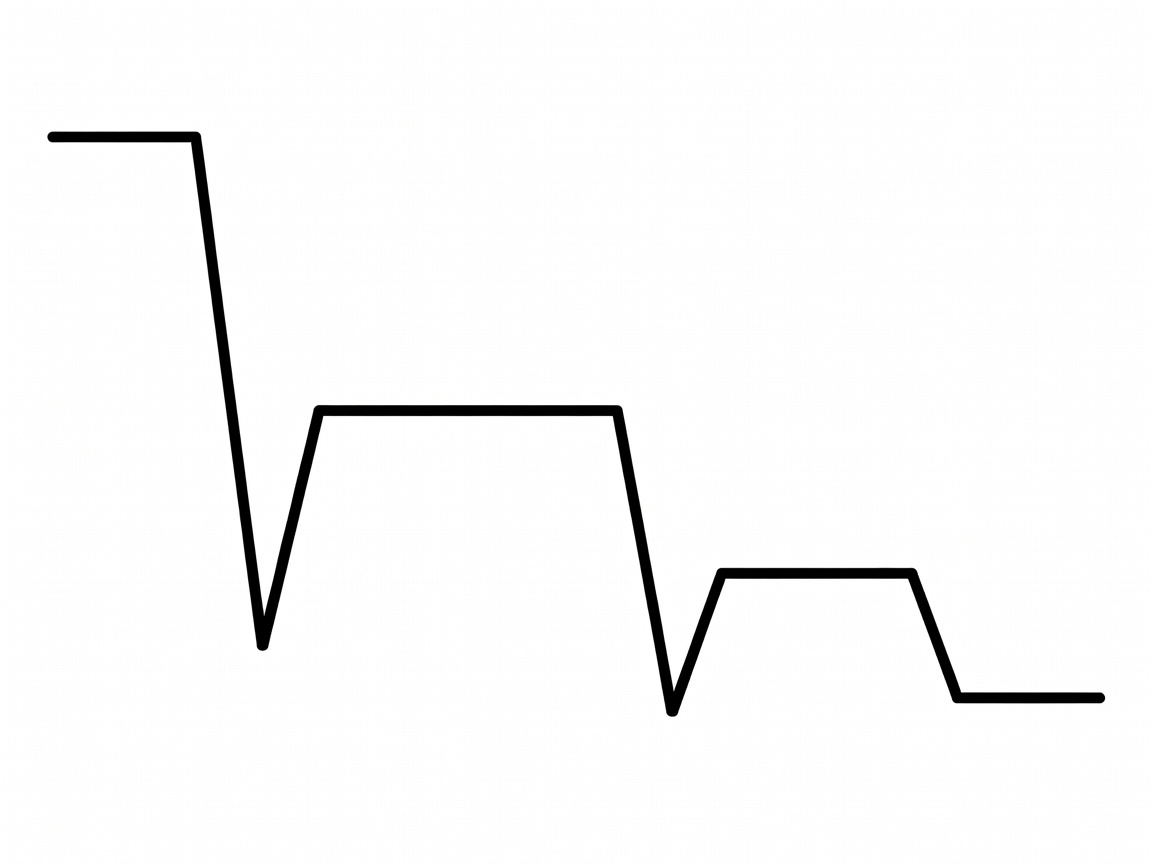
Dissecting graph anomalies, eliminating introductory friction, executing dynamic pattern interrupts, and engineering narrative open loops.
Vertical short-form algorithms operate on different thresholds. Learn how to convert high-volume swipe traffic into dedicated ecosystem viewers.
Build sovereign creator business infrastructure: direct sponsor valuation frameworks, digital products, high-tier consulting, and backend funnels.
The YouTube recommendation platform does not rank videos in a vacuum; it matches specific content assets to specific user histories at scale.
The system narrows hundreds of millions of media assets down to a few hundred matching the user's recent topic preferences and affinity graph.
Predictive machine learning models calculate probabilities: likelihood to click, likelihood to complete, and probability of positive survey response.
Initial distribution examines cohort behaviors during the first 1,000 impressions before deciding whether to deploy the asset into wider browse shelves.
Channels that produce repeat session starts and multi-video binge sequences earn compounding authority in subsequent recommendation queues.